
I had struggled with left knee instability for about 2 years. I was unable to run, jump or twist and dancing was right out. Lateral movements were limited and getting in and out of cars was challenging. If I stepped wrong or slipped on leaves or a slick spot on the ground, I would almost always fall and it felt like my knee was dislocating. My knee would be weak and sore for 3-4 days after a fall or slip. I could still walk, even long distances, and use stairs. I could do Yoga, but had to be extremely careful with some of the poses. I knew there was something mechanically wrong and when I finally made it to an orthopedic surgeon on October 11th he confirmed my suspicion. I had an ACL tear and would need to confirm the extent of damage with an MRI which was scheduled for October 23rd. The diagnosis was quite a shock because I associated this type of injury with professional athletes of the soccer, football, or basketball variety. I am just a little old lady who likes dancing and had fallen a few times.

Going to the doctor has long been an anxiety inducer for me. I don’t know if I anticipate bad news or if heightened fear of the unknown kicks in, but my blood pressure readings are always higher than normal at the hospital, even when I do calming breathwork exercises. Stress during my first medical appointments in Portugal was sky high and I think the added pressure of language and communication was to blame. Would I be able to understand complicated instructions or medical questions and would hospital staff be able to understand me?

There is a fascinating difference in language use in various regions of Portugal. In the Algarve, English was a given. Even when we spoke Portuguese many times restaurant staff would respond in English. This wasn’t always the case, especially at our neighborhood favorite Café Bianca, but it was extremely common. This is not true in the Guimaraẽs region where we live now. Regardless of how terrible your language skills are, most people will struggle through with you in Portuguese, which is excellent for improving language skills, but removes the perceived safety net of always being able to fall back on English.
When we contracted with medical concierge Serenity, they selected multilingual doctors for us. Every physician we chose listed English speaking as a component on their bio, but what is actually spoken when you enter the office? While chatting about our individual experiences at Hospital da Luz, Andrew and I discovered a trend of our female physicians speaking Portuguese and male physicians speaking English when communicating with us. For instance, when I first met my female family physician, she spoke Portuguese. She asked if I wanted to speak English (in Portuguese) and then said if we find the need to switch to English as time goes by we will. We hadn’t uttered a word of English until my third appointment when we chatted casually about my knee surgery and the rehabilitation road ahead. My orthopedic surgeon is a male and speaks to me almost exclusively in English, the same is true of our male ophthalmologist.
Back to my knee. I saw the surgeon again on November 29th to discuss the MRI results and my second consult was an interesting one. It highlighted for me the differences in doctor-patient relationship compared to those I remembered stateside. The meeting was informational and he solemnly explained scads of possible complications and drawbacks. I would be on crutches a month and would not be able to engage in sporty or high intensity activities for 6 months. Months of extensive physical therapy was a given. The procedure involves refashioning one of my hamstring tendons into a new ACL and an overnight stay in the hospital is recommended. He explained that I was not an “ideal” candidate because I was 50, not 20. I had to supress a giggle when he said “you are middle aged, I am not saying that, the literature is”. ACL surgery was described as “elective”, which had me stressing about insurance coverage. Did this fall under an optional plastic surgery category that I would be paying for out of pocket? We had been satisfied with our insurance coverage, but hadn’t had any major procedures, so I was worried this would end up being pretty expensive.
The discussion was fact based, which in retrospect I appreciated, but to be honest I felt off kilter as we spoke. I was used to a doctor telling me “obviously, you should get this surgery” or “of course this needs to be repaired”, this interaction was more “what do YOU want to do?” When discussing whether I should or shouldn’t proceed with surgical intervention he asked if I engage in any “contact sports”. My immediate reaction was “no, I don’t play football or rugby” but when I said I want to hike, do Yoga, and higher impact exercises than I could do now, he said those were “contact sports”. After much thought, I realized that some of the verbiage causing me confusion was likely due to the fact that we were speaking English instead of Portuguese. Now I understand “elective” to mean that I don’t have a life or death condition and that I am choosing to have surgery, it isn’t related to insurance coverage. “Contact sports” means “weight bearing” activities. I finally recognized a flaw in my thoughts about learning a second language. I always assume that the person I am speaking to speaks much better English than I speak Portuguese and I might be minimizing my skills in certain scenarios.

My surgeon did not offer his opinion until I specifically asked for it. I wanted to know if he expected a good outcome based on my situation, and he said “yes”. I asked if he would get the surgery if he were me. Initially he said “no” because he is 46 and doesn’t like to exercise and is very aware of the complications, but then he changed his answer to “yes” because he does a lot of stairs every day. To make sure I was crystal clear, he repeated several times that post surgery I would not be hiking for 6 months. Before the consultation I was 100% confident that I would be signing up for surgery, but slowly doubt began creeping in, partly because there was a bombshell that I didn’t see coming.
I would need to complete physical therapy (PT) before surgery because it drastically improves the recovery progress. I would be referred to a physical therapy physician who would examine me and decide on the proper course of treatment. Like most people, physical therapy is not my favorite extra curricular activity. I had already been contending with knee limitations and using it for 2 years, so I wasn’t sure pre-surgery PT would be that helpful. I think my surgeon expected me to take some time to deliberate about whether I wanted ACL reconstruction, but I told him that I definitely wanted my knee fixed and I would like to start physical therapy as soon as possible.

Bombshell #2 happened after my meeting with the physical therapy doctor on December 6. This male physician also broke my previous trend with language, he only spoke Portuguese. I was prescribed 20 pre-surgery sessions. I was sure to ask again, “this is 20 sessions BEFORE surgery”? Oh my goodness, that was way more than I expected and would take forever. I had to attend at least 2 sessions per week, but could go more frequently if needed based on my as yet TBD surgery date. I scheduled my sessions after the appointment and decided to try for 3 times a week. I really wanted to get this surgery scheduled sooner than later.
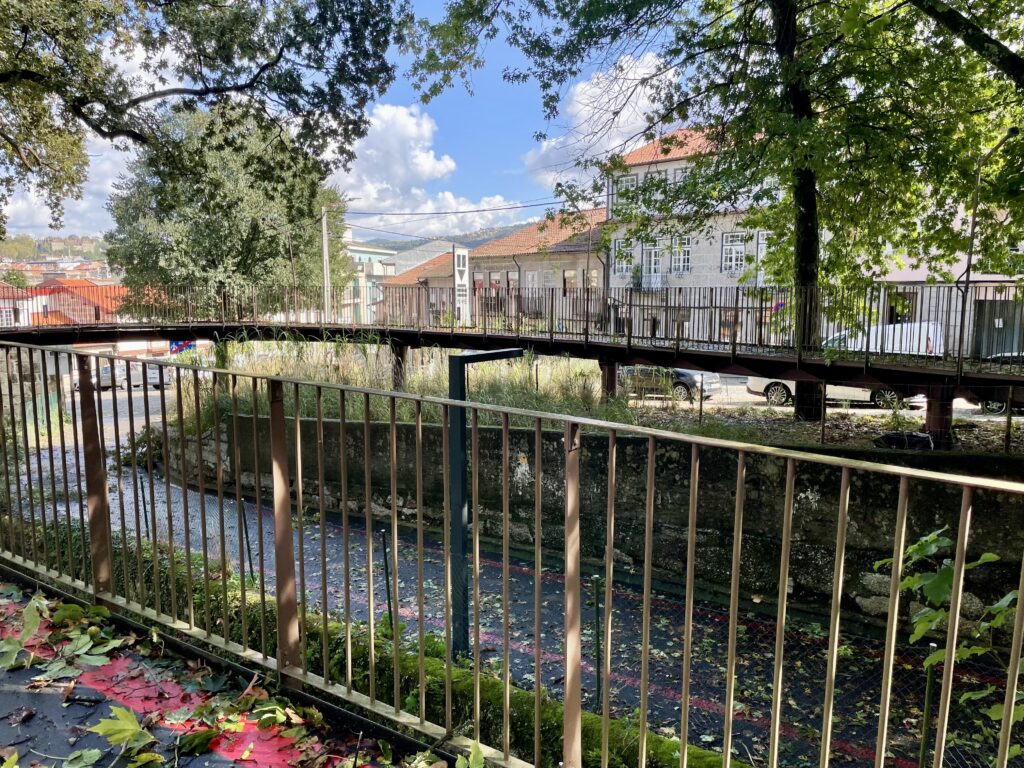
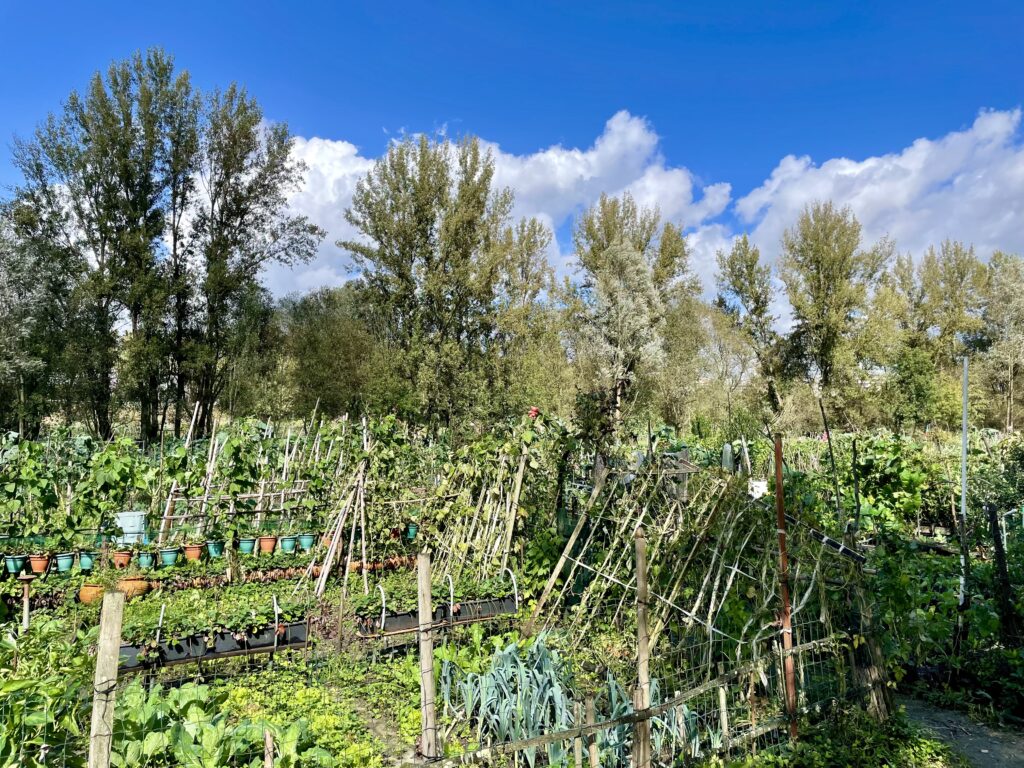
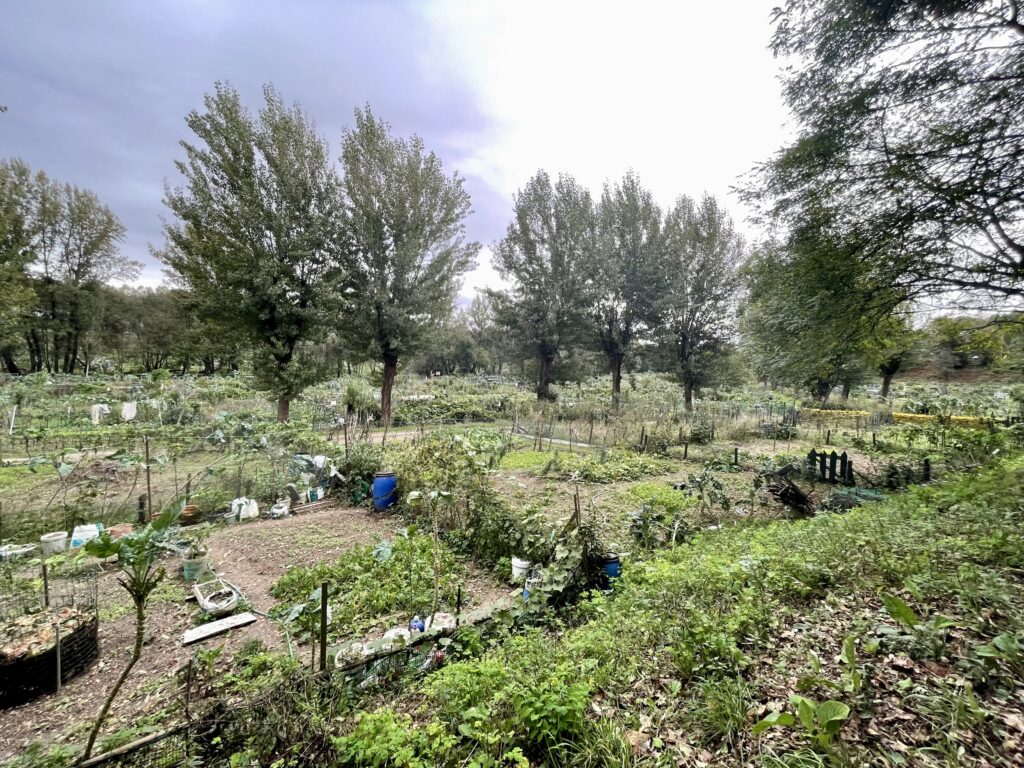
Hospital da Luz is approximately a 4.5 mile round trip walk from our house. Sidewalks are in excellent shape and there are community gardens and parks along the way. I really enjoy the walk and had already made the trek to the hospital on foot many times for previous appointments. Early on, I decided that I wanted to walk to PT as frequently as possible. I knew I would be off my feet for an extended period of time after surgery and wanted to make the most of my ability to walk before I didn’t have the option anymore. The walk takes about 1 hour each way and I love it. Some days I had early sessions and it was chilly and I didn’t want to go, but once I got started, I never regretted walking. In all, I managed to walk to 19/20 sessions and the 1 time we took an Uber was days before surgery when we also did an enormous shopping trip that would have been impossible to lug home on foot.
Physical therapy started December 10th, and my last session was January 28th. I went on Christmas Eve and New Year’s Eve. Sessions consisted of NMES (neuromuscular electrical stimulation), exercises, massage, and gym time. At first exercises like leg lifts and leg extensions were done without weights, then 1kg ankle weights were added and during final sessions I was using 3kg ankle weights. Eventually I progressed to adding exercises like stability ball assisted squats against a wall and gym time which was usually 10 minutes on a stationary bike. I became a bit jealous of the hand/wrist/forearm patients who also used the gym, but never broke a sweat. Each session took between 45-60 minutes. Seeing patients that had been going to physical therapy for 4 months or more was sobering, because eventually I would be experiencing the same thing – PT for the foreseeable future. I saw several different therapists, all female, and they all spoke Portuguese. The shared therapy rooms were a jovial place, with a lot of chatting between patients and staff. These kind of situations are interesting for me because I enjoy listening, but the pace of 3-4 people in a group conversation is difficult for me to keep up and participate in.
I met with my orthopedic surgeon again on December 27th to discuss potential surgery dates. We settled on January 24th or January 31st. I requested a cost estimate, asked a couple of questions, and started the seemingly never ending wait for more details. The biggest challenge was managing stress as the end of January loomed and I still didn’t have a date for surgery. My insurance preauthorization came through on January 24th and I felt a huge sense of relief when the hospital phoned later that day to confirm January 31st for the big day.

The highly anticipated cost estimate came shortly after via email, which I had to review and give consent to. My portion of the surgery costs was capped at 10% and/or a limit of €750. Initial estimates for ACL reconstruction and possible meniscus repair were €7870 and my portion would be due upon check-in.
Just 48 hours before surgery I received a phone call with my assigned arrival time and the choice of a shared or private room. Since I wasn’t sure about my disposition after surgery, preferred a bit of privacy, and might want to play my Switch late into the night which could disturb a roommate, I chose private accommodations. This was an easy decision because the cost difference was a mere €23.56.

Next time I’ll share what Andrew and I did to prepare for my surgery.


2 responses to “Torn ACL! Now What?”
Wow, you are strong and brave. The walks seem to me to be the best part of this journey. You guys must be in great shape. Thanks again for this lovely well written post. I truly admire you both. Aunt, Peggy
The walk is exceptional and I am already missing it. Hiking to the hospital several times a week certainly helped us stay active during the holidays, so we didn’t feel much guilt about indulging in our favorite seasonal treats. Thanks for checking in, sending big hugs your way.