
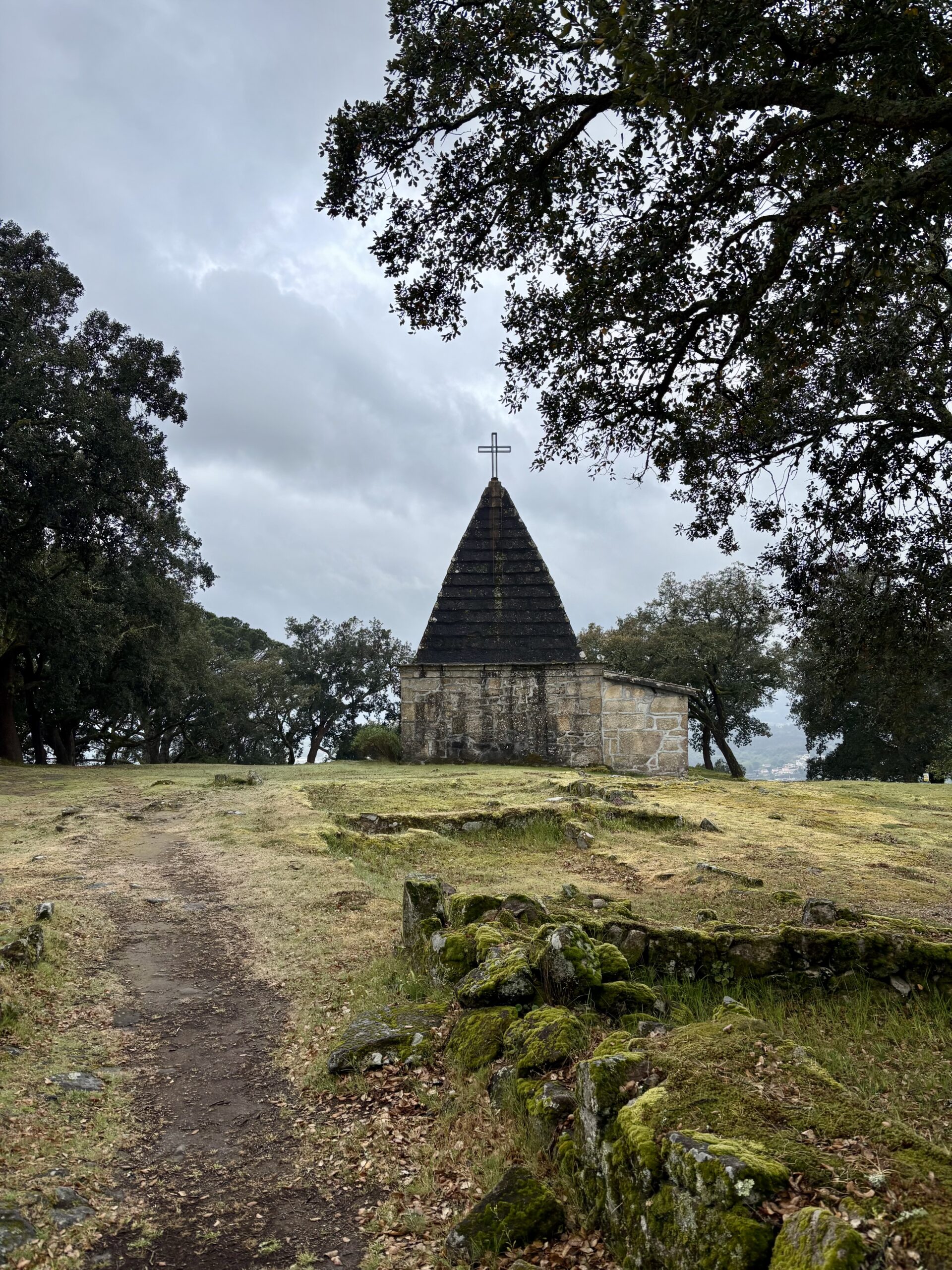
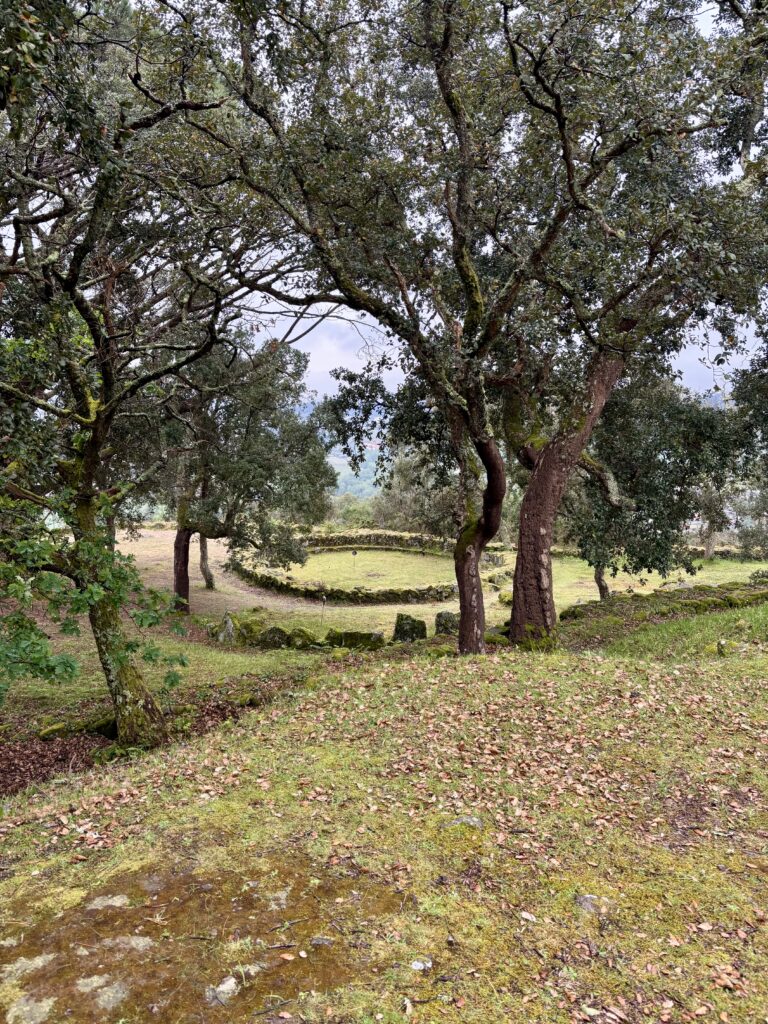
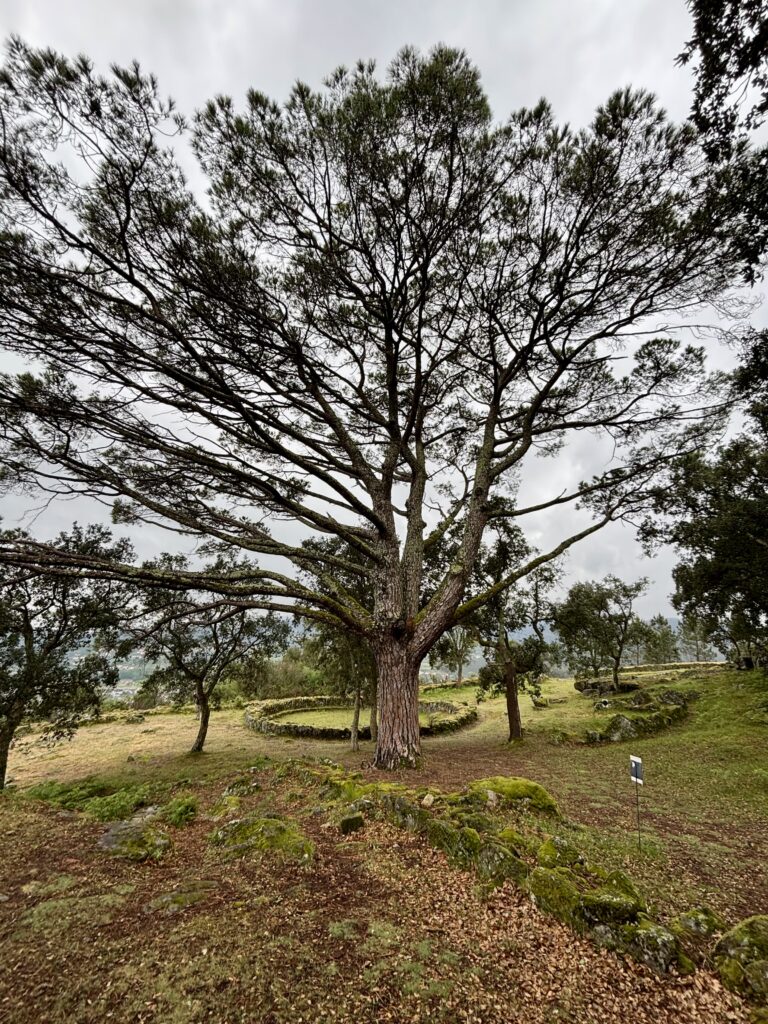
My cousin John visited a few weeks ago and in planning his visit he said he was interested in seeing some Roman ruins or a similar attraction. Lucky for him we live less than ten miles from an amazing archaeological site. Citânia de Briteiros is an unearthed “urban” community which actually existed in pre-Roman times and was developed repeatedly during the Iron Age, Bronze Age, and the Middle Ages.
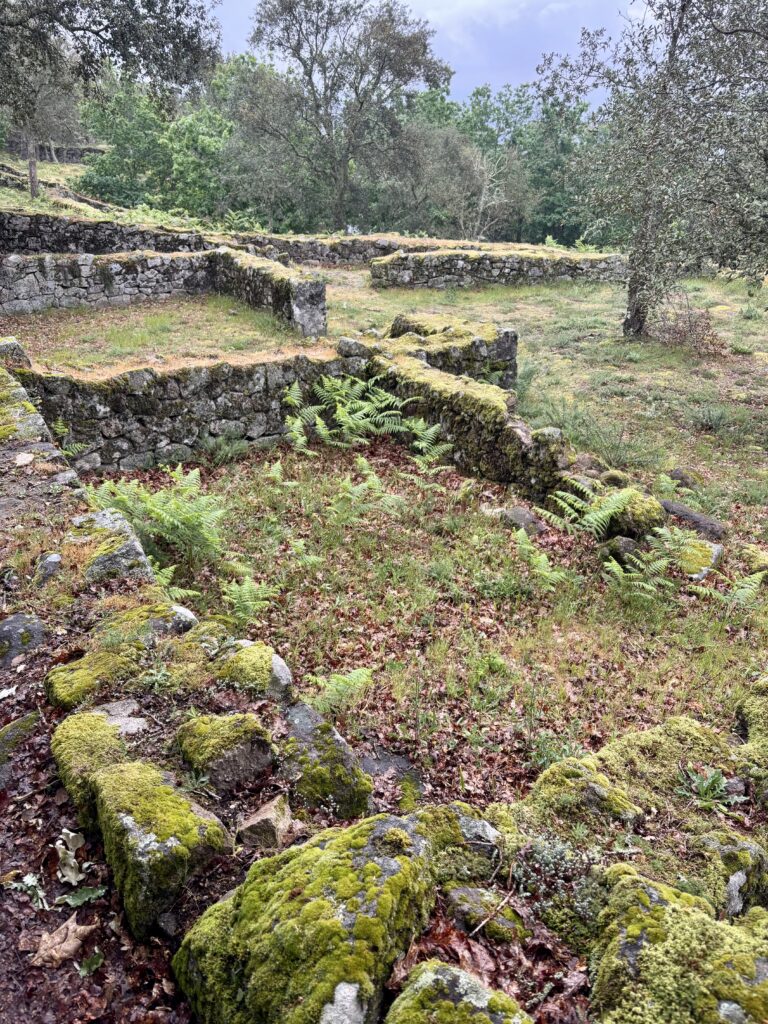
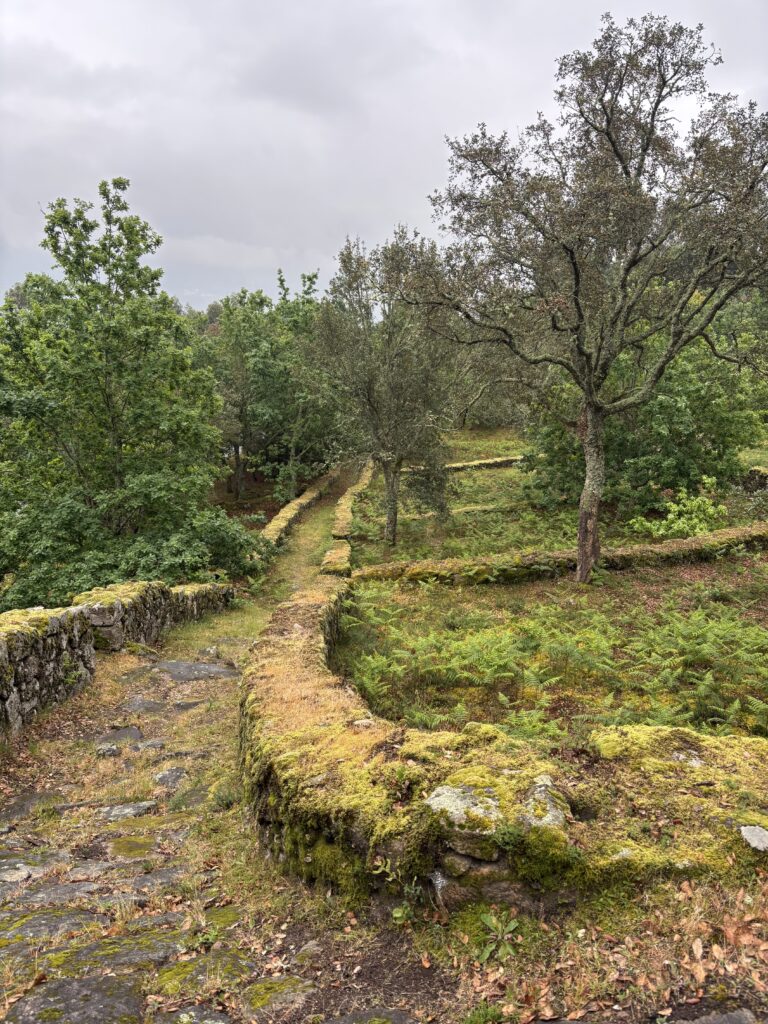
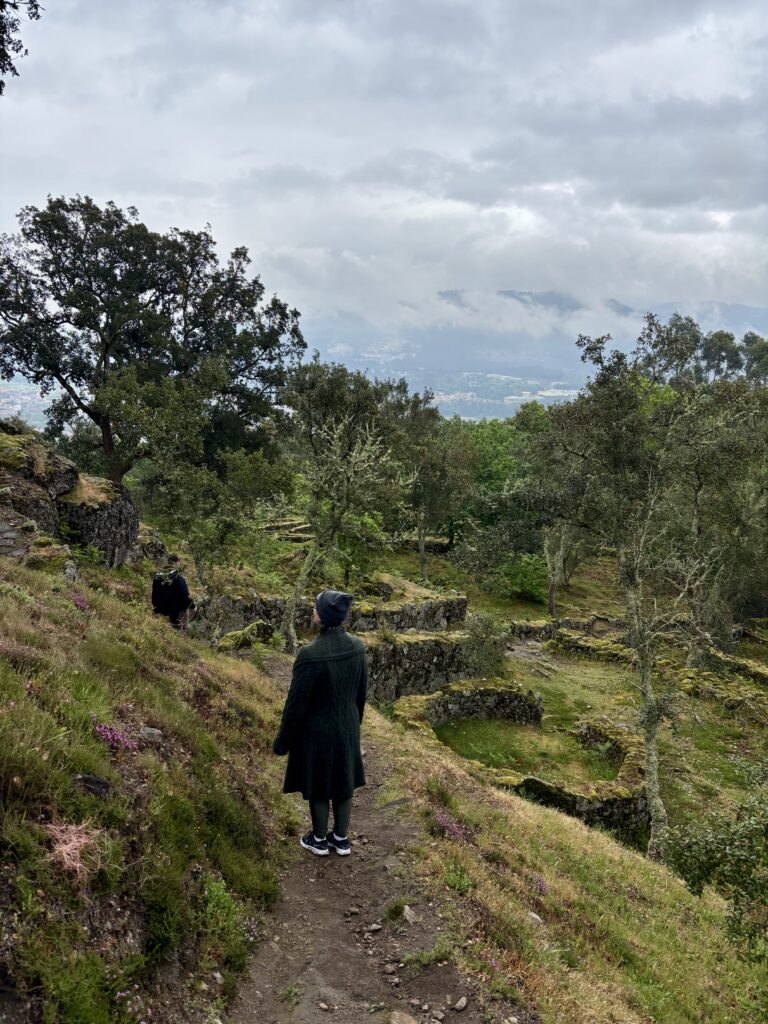
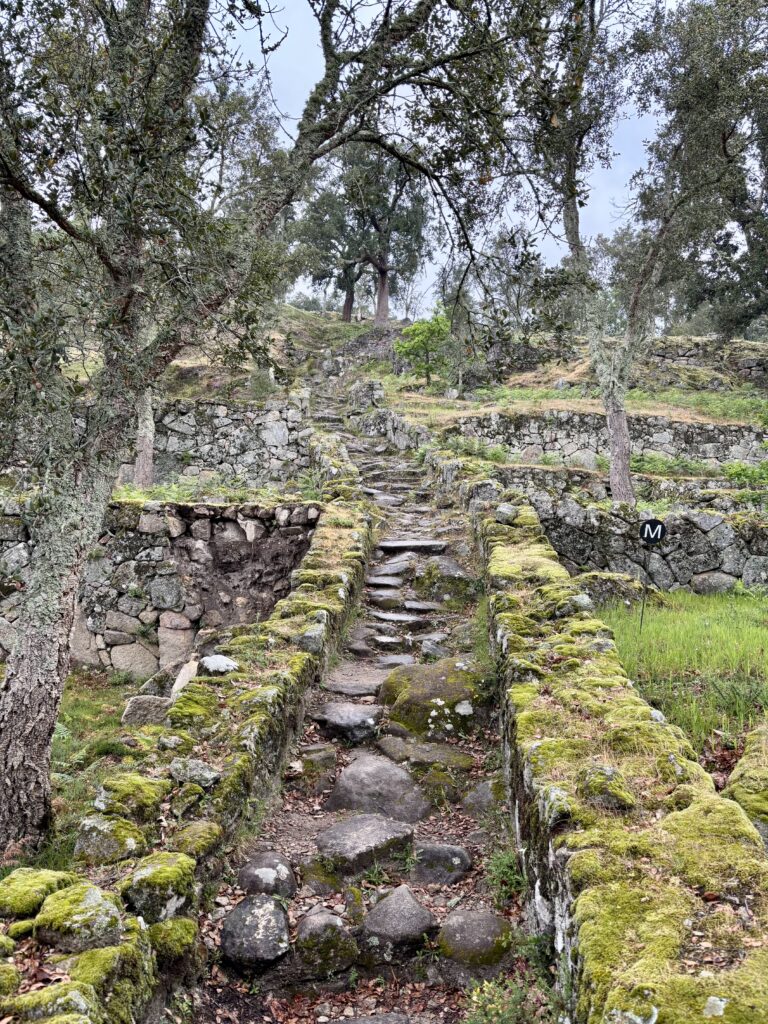
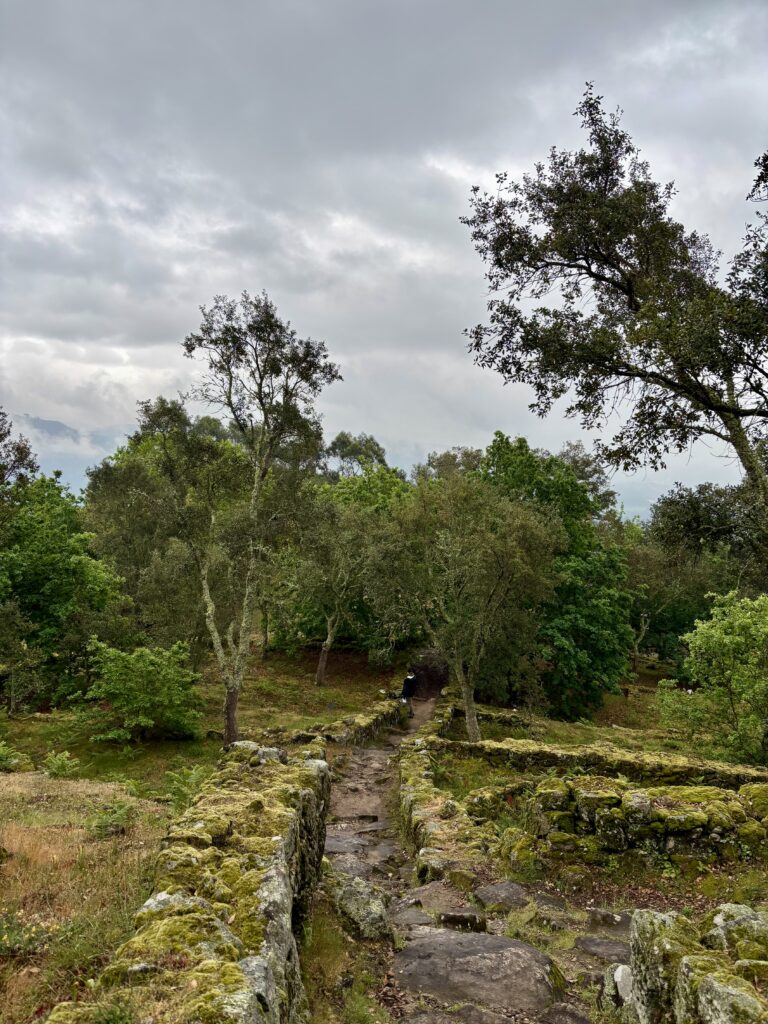
This adventure was even more fun than I had expected. It was a cool morning and since the tourist season has barely begun, the site was nearly vacant. We were able to walk along the ancient stone paths and enjoy the solemnity of this place where so much happened so long ago.
My cousin had the guide map and thankfully didn’t ruin the moment by reading all the various comments aloud, but if you want some of the facts related to the site and excavation use the link I posted above. Entry to the site is €5 and includes entry to nearby museum or for €7 you can also visit a second museum in Guimarães. We had other plans and weren’t able to visit the museum, but it was absolutely worth the price.
Being around so much history made me contemplative about the passage of time. John was our first visitor in Olhão, arriving about three months after we moved to Portugal for a quick weekend hello. We have long joked that some members of the family put him up to do a “welfare check” and make sure we hadn’t been kidnapped in the wilds of Europe.
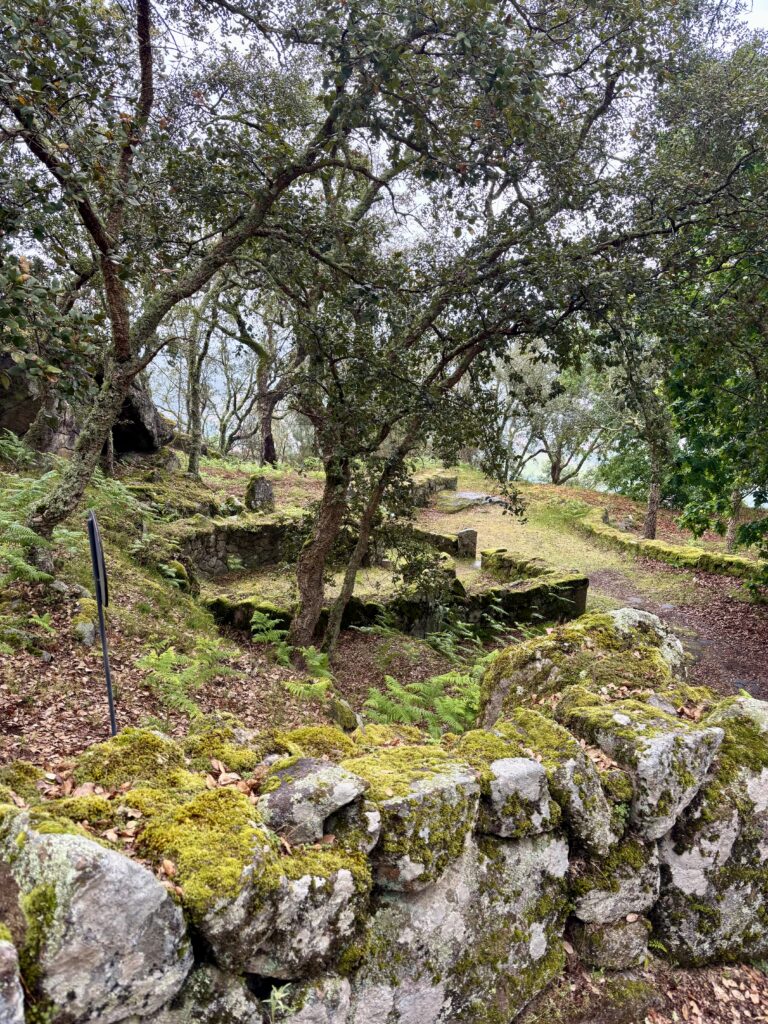
Before arriving John had asked what is different between our lives in Olhão and Guimarães and I was overwhelmed by the vastness of the answer. Maybe if I take out the material things I could narrow it down to tranquility and community, but that omission is huge and the explanation is ill defined. It is also hard to separate the “where” from the “when”, we were both detoxifying from our careers in emergency services and coming to terms with the concept of retirement in general.
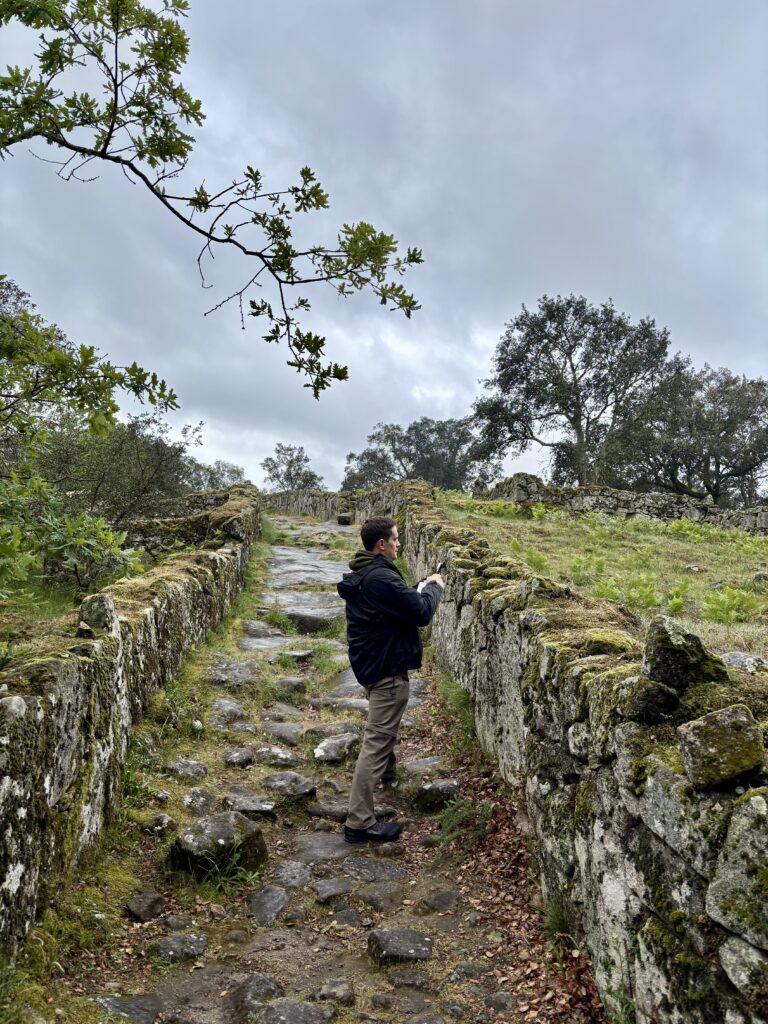
During this small journey I also settled on an answer to the question “what is the most noticeable difference between living in Portugal and the United States?”. It is history, a sense (both in the South and North of Portugal) that we are walking in a place that has been lived in for hundreds (or even thousands) of years. The signs of history are all around us, every day, every time we look out our window or walk into town. The walls along these ancient paths are not at all dissimilar to the walls that line the street we live on.
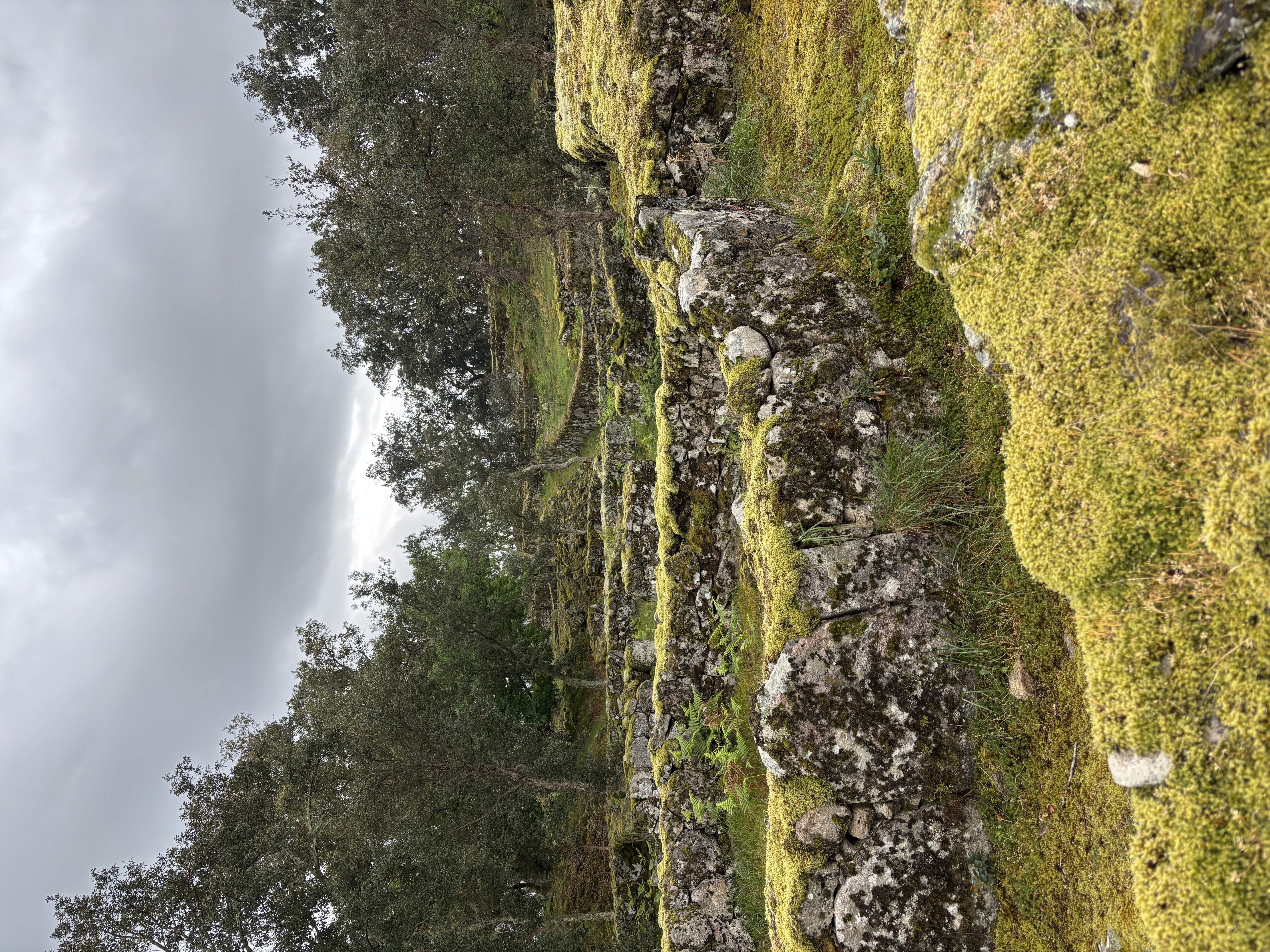
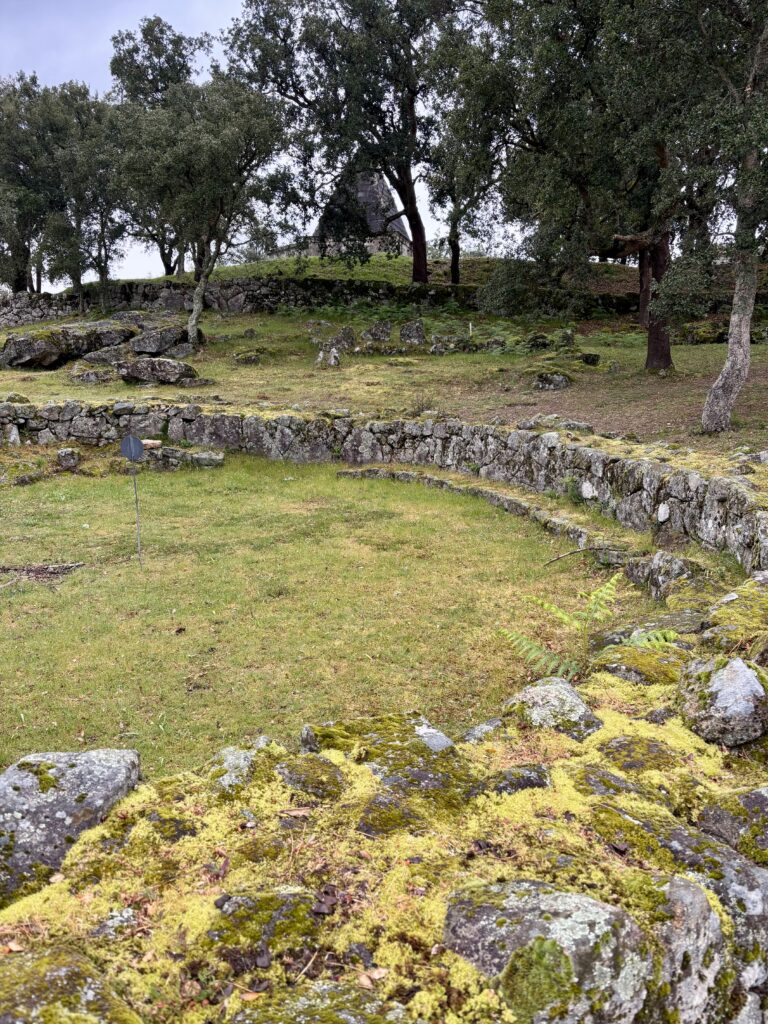
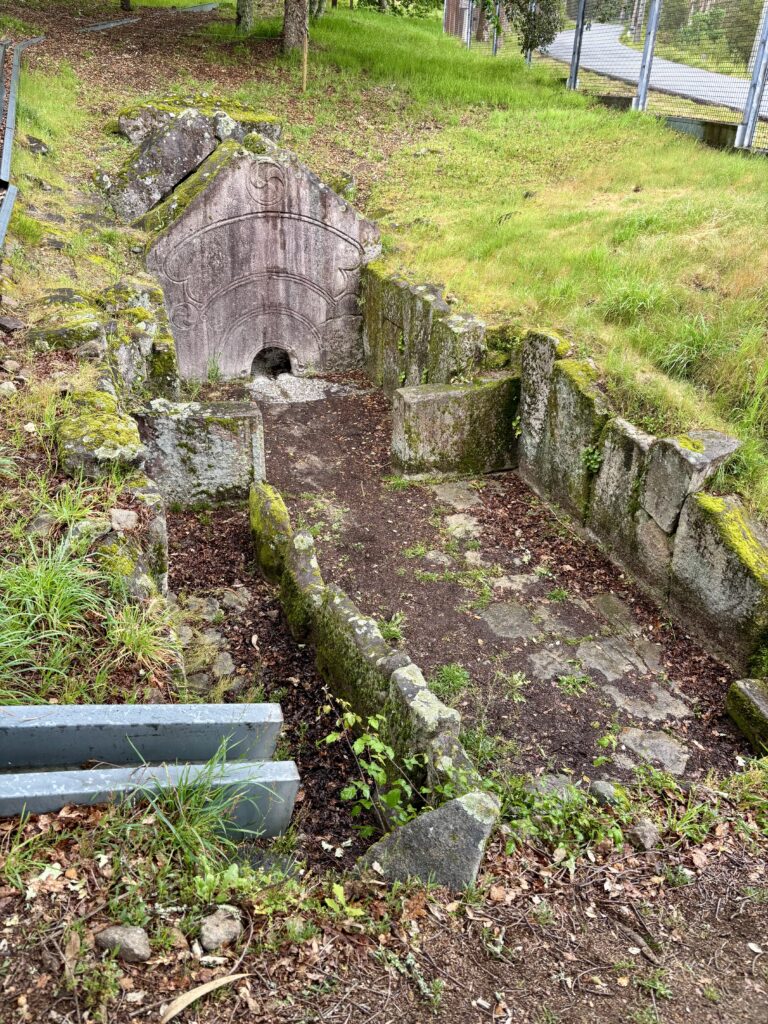
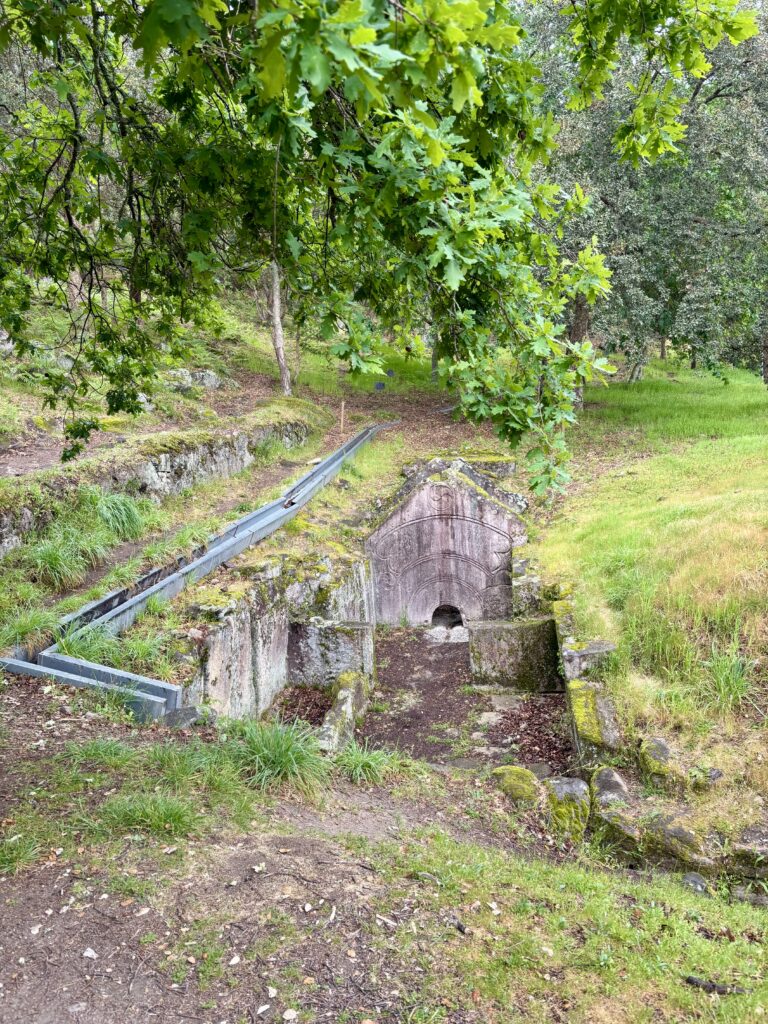
While rambling among this ruined village we pondered what the different buildings may have been used for. I could have grabbed the map from John but it was almost more enjoyable to surmise what might have been a barn or a shepherds hut, a spot for a vegetable garden or a cemetery.
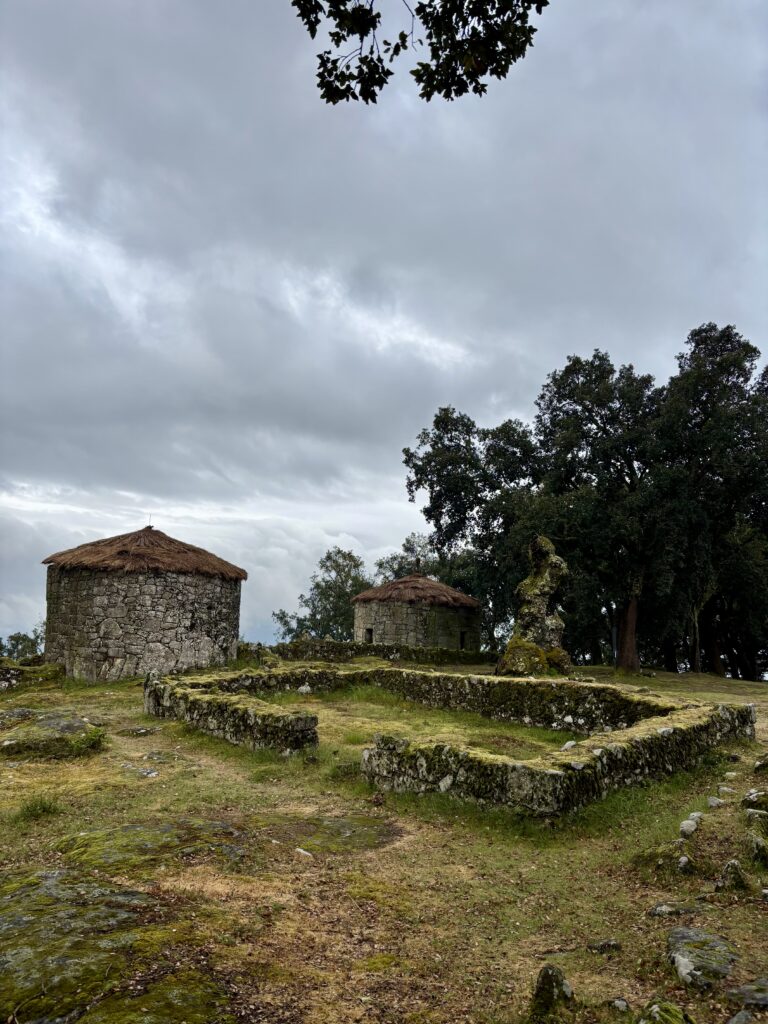
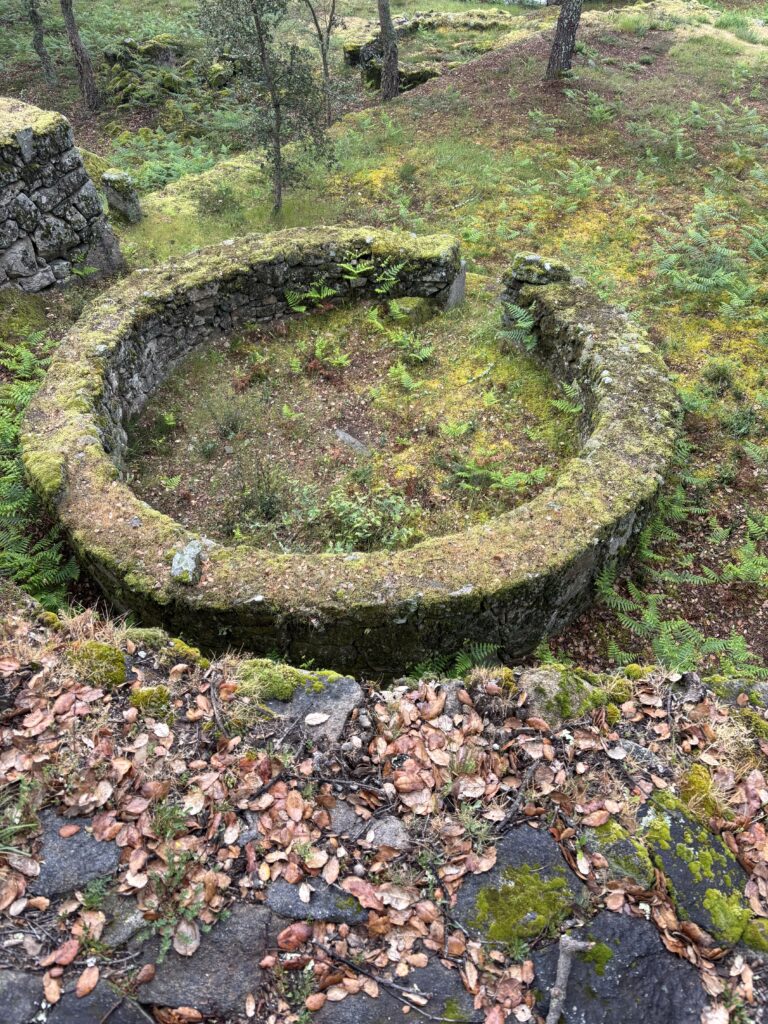
In the image above you can see two restored abodes and I read an interesting anecdote about them. These ruins have been dated back before 200 BCE so even the archaeological teams working to uncover them have had to make some guesses as they fill in the innumerable missing pieces from the puzzle. In 1875 a man named Francisco Martins Sarmento started the excavations and would eventually play a major role in the preservation of the site. The society he created continues to ensure the site is maintained and excavations continue professionally and respectfully. So, Sarmento lead the reconstruction of the two huts.
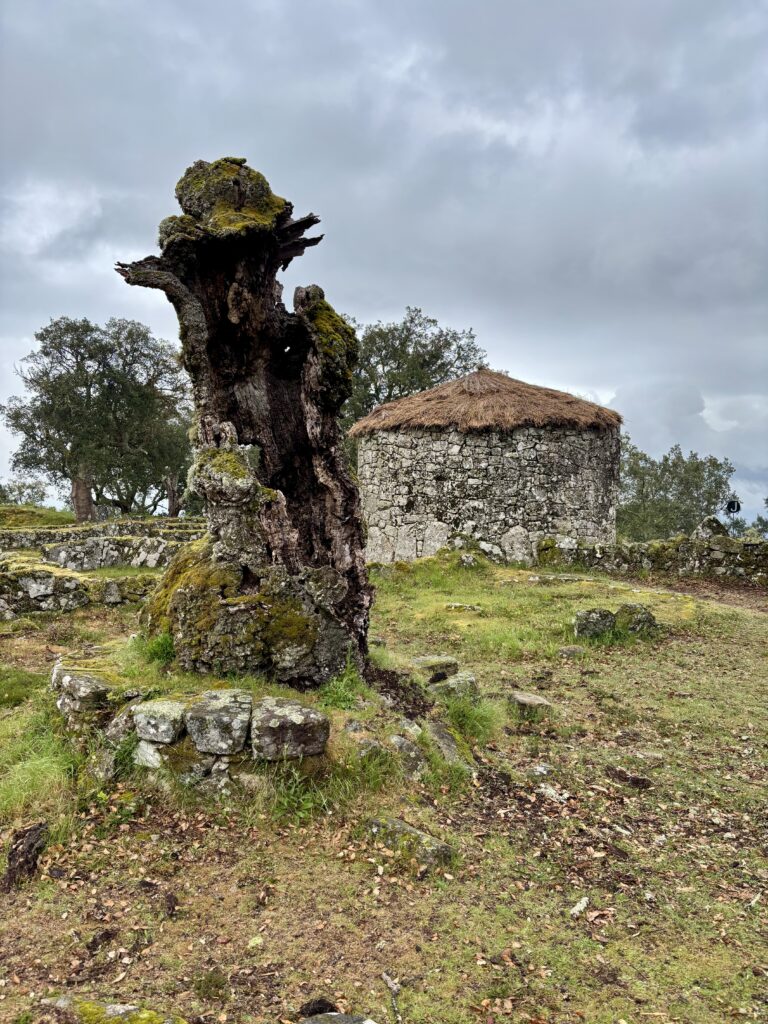
Once they were done and he had continued to research the site he realized some of the errors he made in reconstructing them. He wrote about the problems himself noting things such as walls that were clearly built too high. The interesting thing is that by the time the preservation team really got around to dealing with the problem, Sarmento himself had become a part of the history and they decided that they needed to maintain the huts as he (wrongly) rebuilt them in order to help maintain this additional layer of the past.
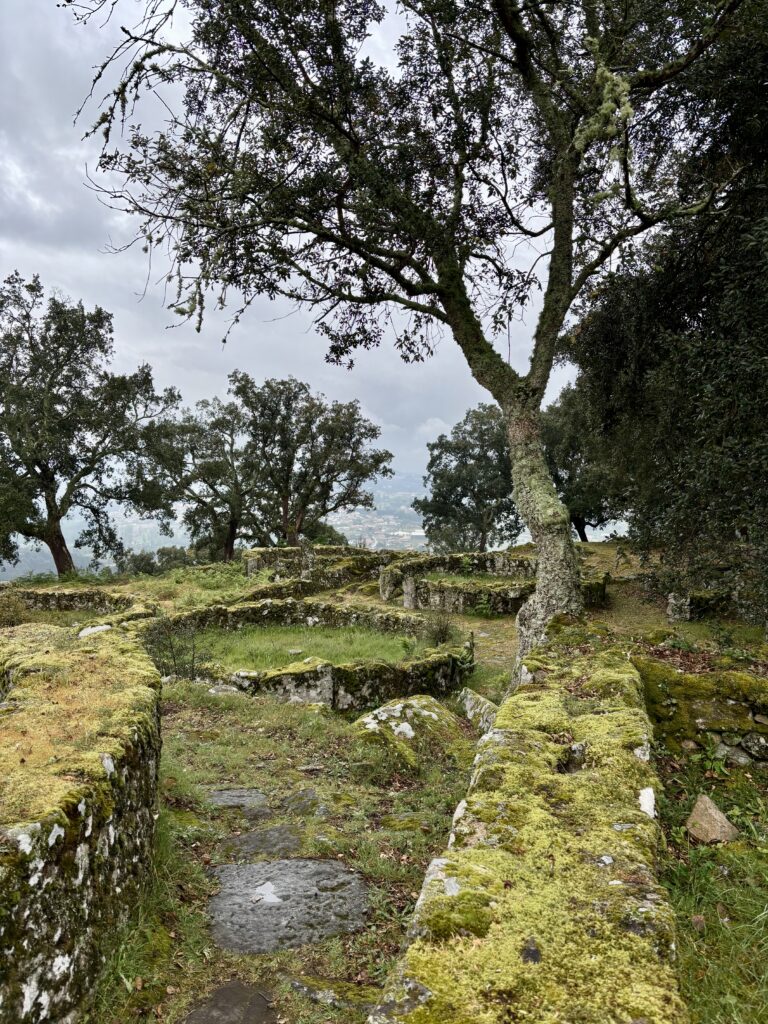
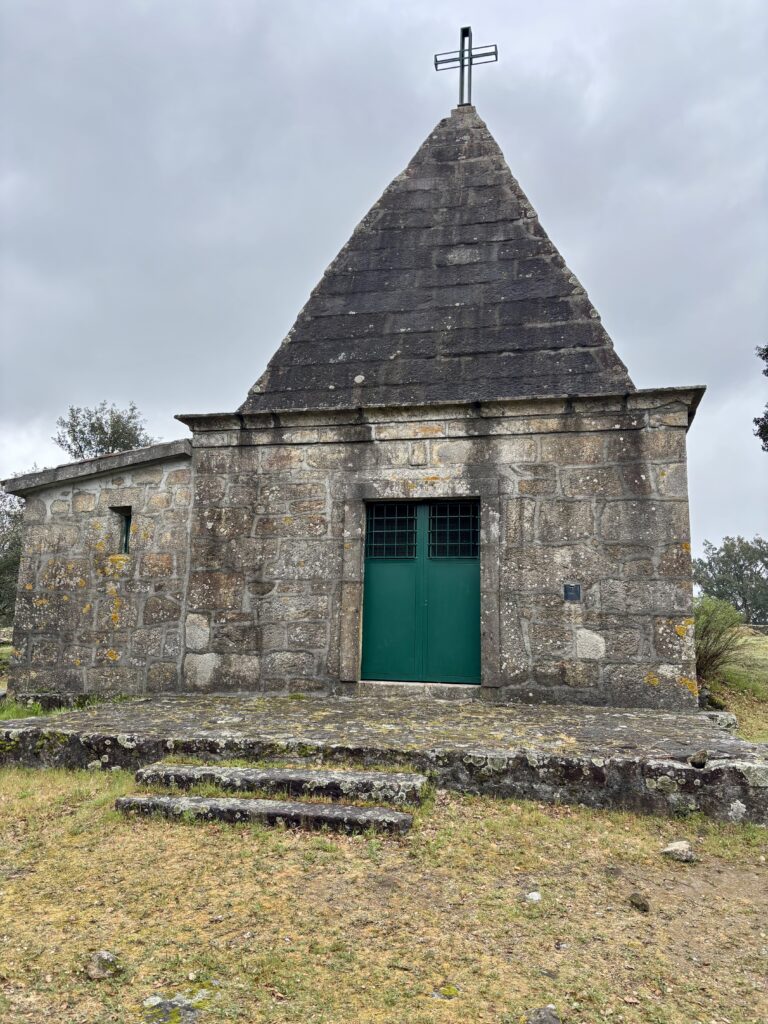
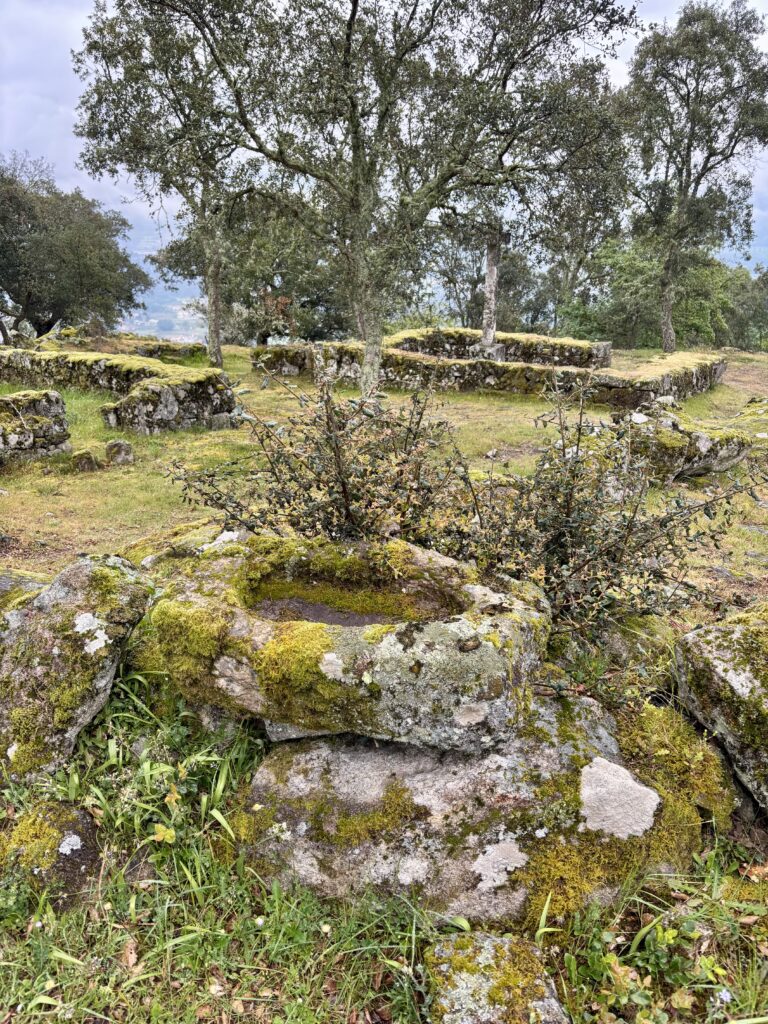
If you visit us (or are just in the area) and have any interest, we would love to go back and get a copy of that map for ourselves and maybe visit the museums too. There are numerous other similar sites throughout the region, in case you are a real archaeology junky. For now I’ll finish with just some pictures and I hope you can capture a tiny bit of the peacefulness I had during this visit to Citânia de Briteiros.


4 responses to “Some Old Stuff: Citânia De Briteiros”
So very beautiful. It is nice seeing Michelle in a photo. Life is grand. Love, Aunt Peggy
Thanks Aunt Peggy, I’ll try to sneak a few more pics of Michelle into some upcoming posts 😉
For a moment I was like “how old!” But then you put it in so thank you! That is amazing the history and how old it is.
I should have just said “they are almost as old as Rob”.
It is crazy to be around something that old, it feels like it should have crumbled away long ago!